Puerto Rican Diaspora: Against the Normal
What does it mean to reconstruct a city that casts you aside? For Puerto Ricans in New York's diaspora, survival has never been about accommodation but rather reconfiguration. Transforming materials, infrastructures, and bodies that colonial and urban violence have rendered “hostile” into sites of care, resistance, and ultimately, becoming. This essay examines four pivotal photographs that trace this practice: Hiram Maristany's documentation of the Young Lords in The Garbage Offensive (1969), Take Over of the TB Testing Truck (1970), and Kite Flying on Rooftop (1964), alongside Elle Pérez's Binder (2015/2018).
Through formal analysis, historical contextualization, and a material experimentation in the form of a freestyle collage, this essay argues that Puerto Rican practices of reconfiguration operate as both survival strategy and imaginative practice. These four images document actors who understand that the materials of oppression can instead become materials of liberation. They demonstrate that hostile infrastructure can be seized and repurposed and that even the body can be reshaped.
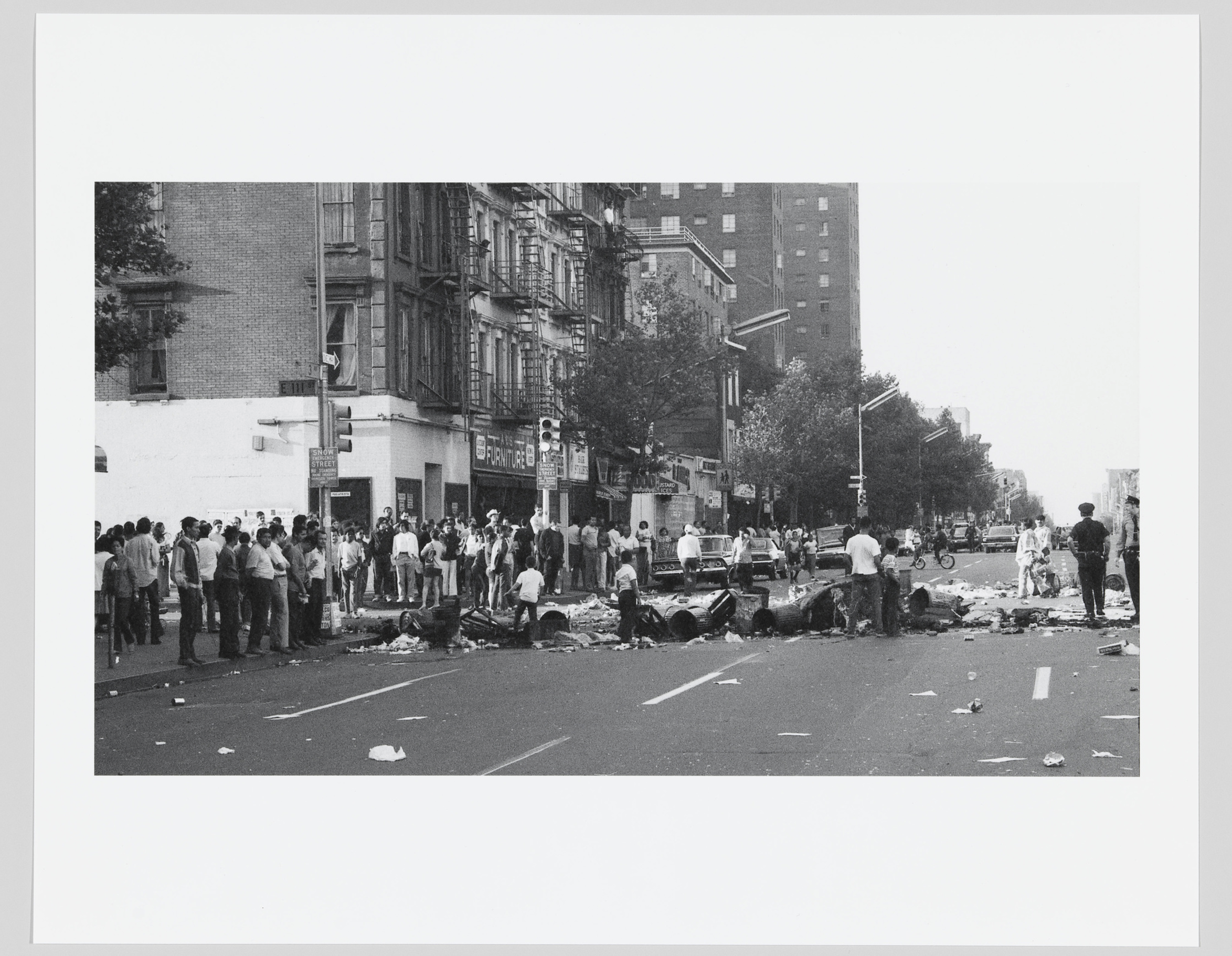
Figure 1. Hiram Maristany, The Garbage Offensive, 1969.
Maristany's photograph, The Garbage Offensive, captures collective transformation through deliberate compositional moves. Visually, the camera is positioned at street level which places the viewer within the scene rather than outside as an observer. Hands appear throughout–lifting, pointing, organizing–creating an image that emphasizes collective labor and togetherness. The garbage occupies significant formal weight, piled strategically to create a diagonal barricade. A highly important visual move in this photograph is the depth of field that keeps both foreground and background in focus, refusing to privilege any single actor and presenting the street takeover as a succinct event. The camera witnesses without too much interference which maintains the underlying integrity of collectivity.
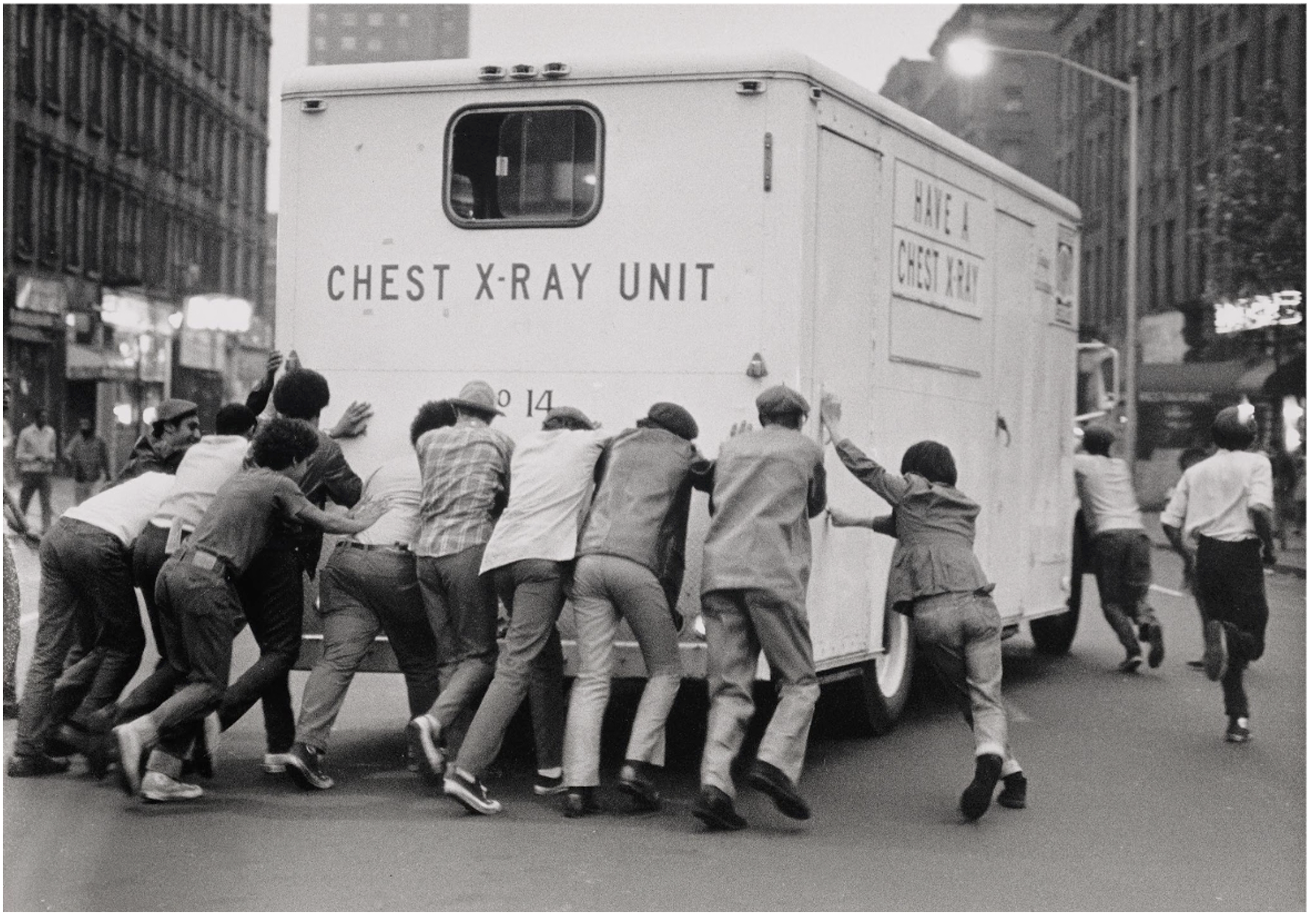
Figure 2. Hiram Maristany, Take Over of the TB Testing Truck, 1970.
In Take Over of the TB Testing Truck, Maristany captures rebellion. The truck centers the frame, but the Young Lords members rallying around it create dynamic geometric moves that cut across the truck's centralized horizontality. Similarly to the previous image, Maristany shoots from a low angle which encompasses the entire frame. This emphasizes being present in the moment. The tension generated between the stillness and kinetic energy reveals the photograph's argument: infrastructure belongs to those who need it and are willing to fight for it.
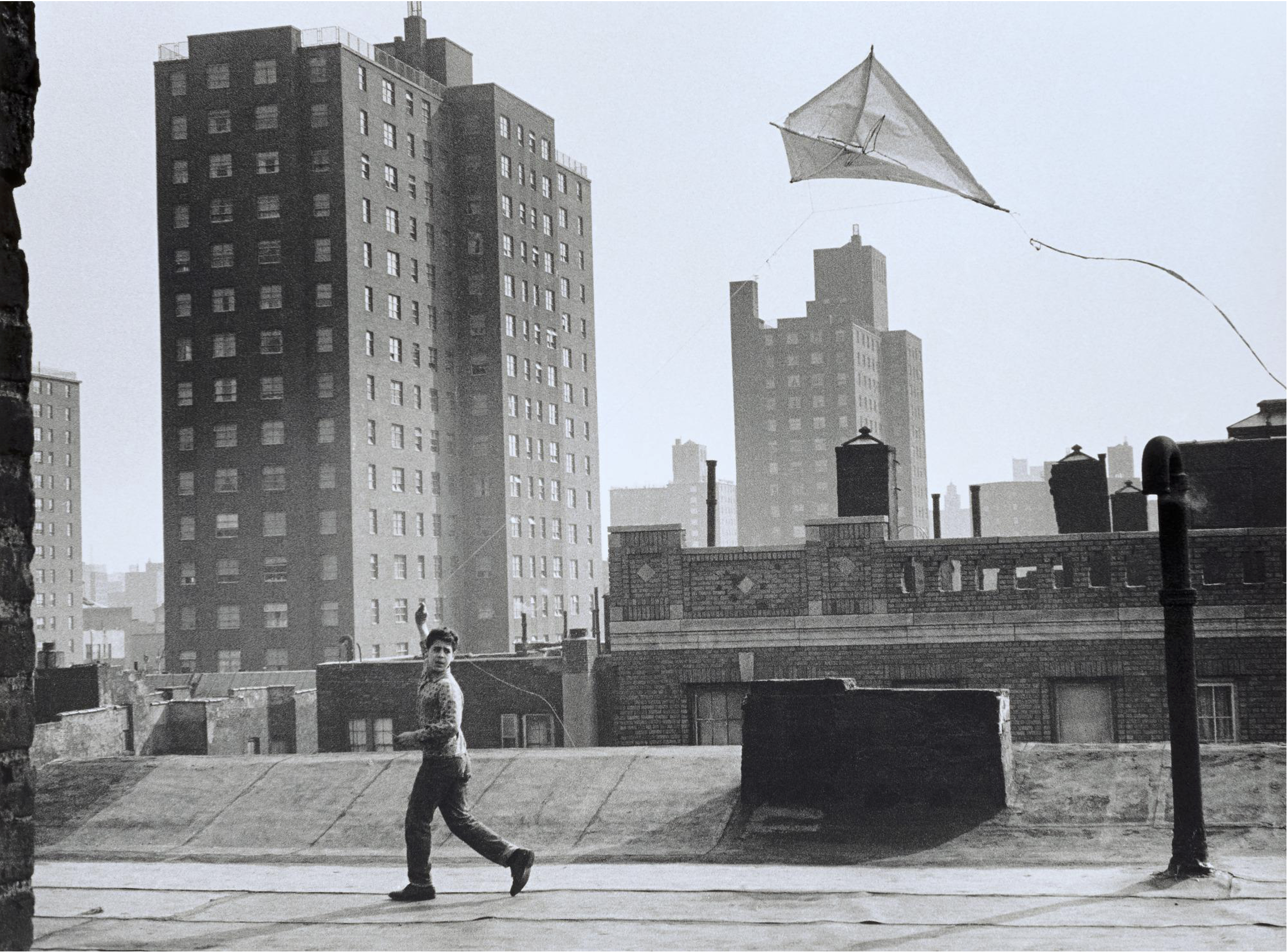
Figure 3. Hiram Maristany, Kite Flying on Rooftop, 1964.
Maristany’s Kite Flying on Rooftop photograph operates through radical simplification. The frame bisects perfectly. The lower half contains the flat rooftop with a child's silhouette, while the upper half opens into the urban skyline. The kite occupies the negative space above. The child's hands are captured mid-gesture, reaching upward, body leaning toward the edge. The rooftop's edge cuts a clean horizontal line across the center which creates a threshold between grounded body and boundless air. The camera holds back and produces a sense of distance that aids in documenting the spatial scene of the image.
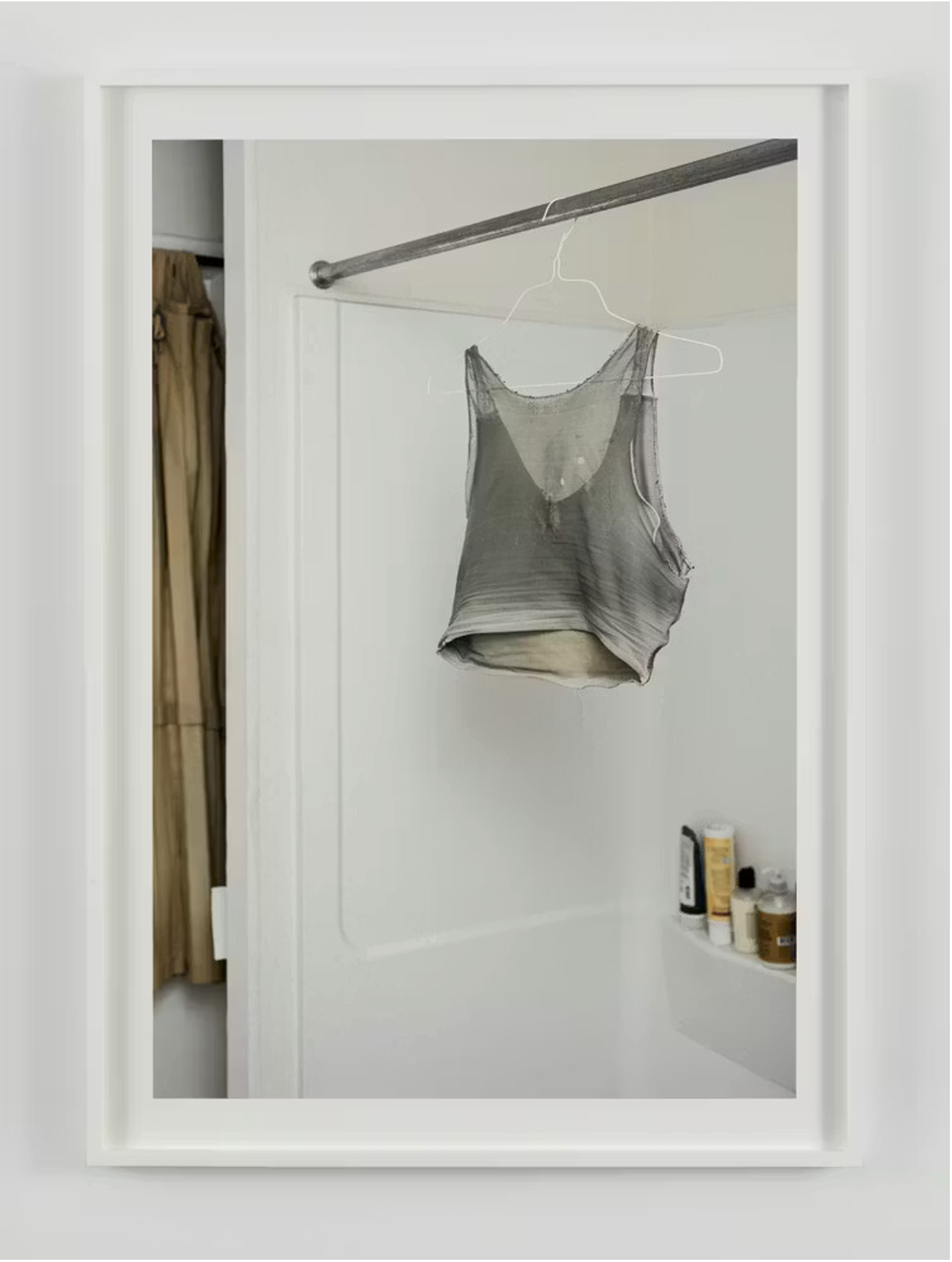
Figure 4. Elle Pérez, Binder, 2015/2018.
Pérez's photograph, Binder, operates in a different manner yet still shares commitment to the central themes of opacity and care. The frame crops around an article of clothing thats being hung from the top bar of a shower curtain. This framing eliminates external context and pivots the focus on the garment as its subject. The composition is frontal and geometrical. Perez employs the use of rough angles and symmetrical lines to simplify the background and draw further attention to the subject of the image. The lighting is soft and even, illuminating fabric texture–seams, elastic bands, compression points, and even elements of wear and time–without dramatizing. Ultimately, the compositional moves within this photograph invite observers to contemplate the historical situation between this particular article of clothing. Does it perhaps hold some undisclosed importance?
These photographs emerge from overlapping histories of colonial violence, urban neglect, and most importantly, Puerto Rican resistance. By 1969, Puerto Rican communities in East Harlem had already endured decades of systematic injustice. The Great Migration of the 1940s-50s brought hundreds of thousands displaced by Operation Bootstrap who were driven by empty economic promises. Migrants found themselves in deliberately redlined neighborhoods with denied adequate services and subjection to aggressive and unfair policing. Garbage collection occurred sporadically which created health hazards that the city blamed on residents. Among these conflicts, The Young Lords recognized trash as a “weapon”. By piling uncollected garbage to block traffic, they made visible what the city ignored: that neglect is harmful, and Puerto Rican lives were being unjustly devalued.
The TB testing truck takeover diffused this logic into healthcare. Tuberculosis rates in minority neighborhoods far exceeded white areas due to overcrowded housing and inadequate medical services. When a city testing unit appeared, the Young Lords commandeered it and operated it themselves. They offered care on their own terms. In essence, this wasn't just protest but rather a construction of an alternative system recognizing health as community right–and one that everyone should have access to.
Maristany's 1964 rooftop photograph predates the organized rebellions of the Young Lords but captures the same idea of reclamation. Puerto Rican families were housed in overcrowded tenements and projects designed for containment. Children had limited access to parks or open space. Rooftops became makeshift commons where children could escape surveillance and claim vertical territory. In this context, the simple flying of a kite becomes a refusal, asserting that even in cramped conditions, Puerto Rican children will reach toward possibility and freedom–it instills hope.
Pérez's Binder, created nearly fifty years later, extends this idea. By 2015, Puerto Rico faced significant issues such as a major debt crisis, PROMESA fiscal control board oversight, and mass outmigration. Pérez's photograph portrays self-determination within this longer history of survival and transformation.
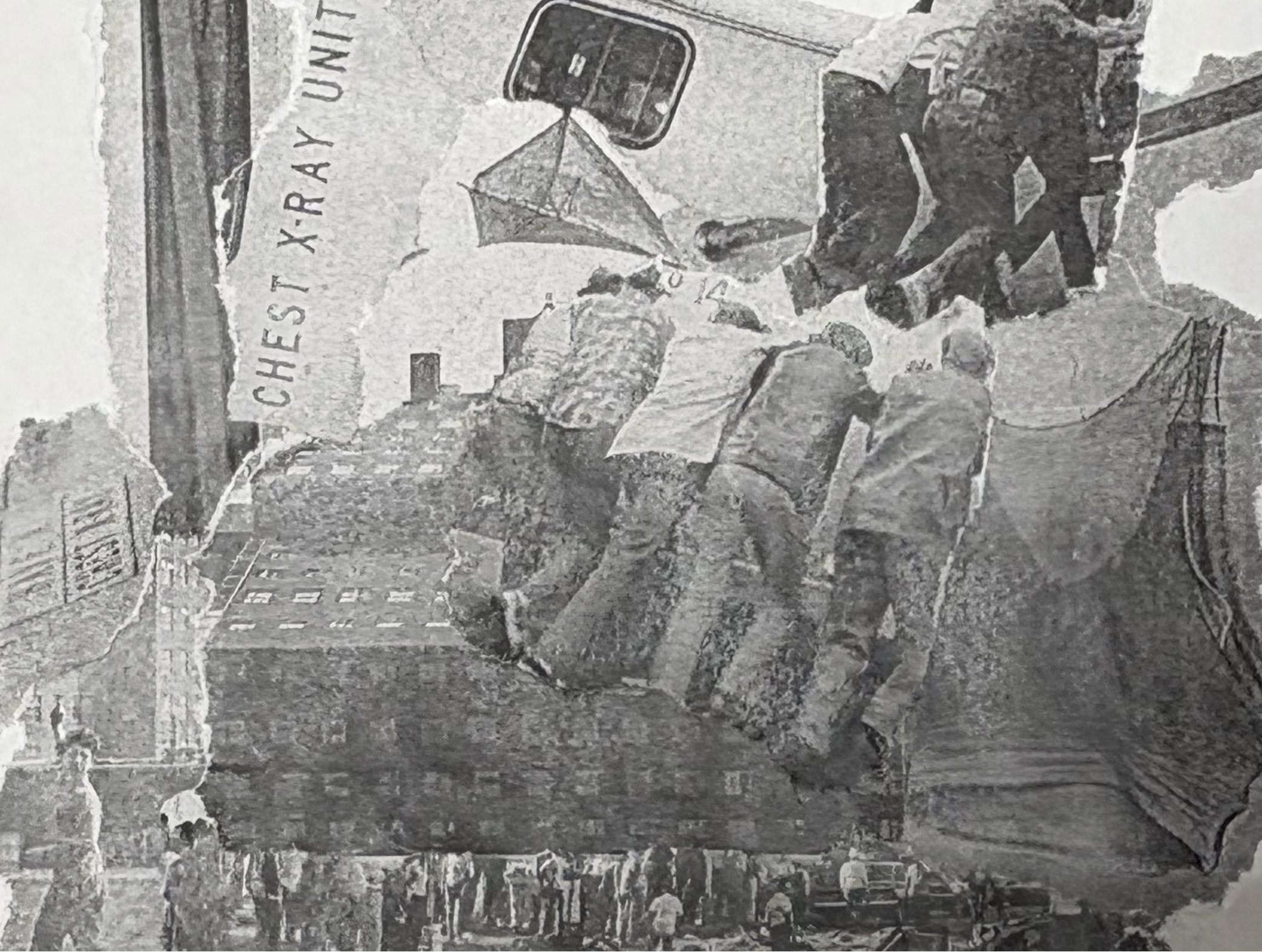
Figure 5. Material experiment by Chanbin Park, 2025. Torn fragments from Figures 1-4.
To understand these photographs as material objects that can themselves be reconfigured, I conducted a tearing and collage experiment. I printed all four images and systematically tore and cut them along prominent gestures, tools, bodies, and infrastructures. Then, I recombined fragments by matching similar forms and shapes.
From The Garbage Offensive, I tore hands lifting trash, elements of the setting such as the street, and Young Lords silhouettes. From Take Over of the TB Testing Truck, I isolated protesters, the truck itself, and buildings in the background. From Kite Flying on Rooftop, I extracted the kite, the child, rooftop edge, and elements from the skyline. From Binder, I tore the article of clothing, and various textures from the background.
Tearing elements was surprisingly extremely eye-opening. Unlike digital cropping, tearing produces ragged edges, exposing paper fibers and creating irregular, vulnerable borders. When I tore along the silhouette of the Young Lords in The Garbage Offensive, the form separated unevenly. This disruption mirrored the breakdown and reorganization of the photograph documents.
Recombining fragments along formal similarities revealed new and unexpected relationships. I placed people near people: the child from Kite Flying aligned with the figures from The Garbage Offensive. Suddenly, gestures separated by decades felt extremely interconnected. This just further demonstrates the ever continuous flow of time in life and through photographs. Shape similarities collapsed temporal differences, making these snapshots of time feel simultaneous.
I matched slightly differing elements: the TB truck's symmetry contrasted with the harsh angles of the kite, both creating strong compositional lines. Side by side, the truck became less about infrastructure and more about the formality of letting go and ascending. Together, both became apparatus for organizing space vertically as well.
The most striking combination emerged aligning horizontal matchings. The rotated building with the barricaded street, both creating strong horizontal divisions. These surprisingly matching forms revealed to me how thresholds operate across scales within images. The building is quite literally a boundary between ground and sky but the barricaded street is a tactical boundary between cities and community. Matching their shapes, to me, was a suggestion that all boundaries are potential transformation sites.
I also matched textures primarily in the form of the chaotic movement of people against compressed fabric folds. Both showed how “materials” function under pressure–bunched and irregular. What began as purely formal exercise revealed a deeper connection about how pressure creates form. I’ve come to understand that both neglect and care can produce similar formal results in an image.
Generating unusual connections along established formal lines forced me to see photographs differently. I couldn't rely on preexisting meanings. Instead, I had to analyze pure visual elements. This demonstrated to me that photographs share visual vocabulary even when depicting vastly different moments.
Somehow, my collage's torn edges generated a feeling of seamlessness. Formal matching created new coherence: despite different photographers and decades, fragments fit because bodies, tools, and infrastructures follow recurring formal logics. Despite this, along where fragments met, ragged borders remained visible, acknowledging the violence of separation. The experiment demonstrated that photographs contain patterns that can be extracted and reorganized into new configurations.
These historical images resonate with Puerto Rico's unfolding present, particularly after Hurricane María and ongoing crises of colonial debt, climate disaster, and mass displacement. In September 2017, Hurricane María devastated infrastructure, killing thousands and revealing consequences of decades of disinvestment. The storm knocked out the electrical grid, contaminated water, and destroyed homes—not because the hurricane was uniquely powerful, but because infrastructure was already collapsing.
In María's aftermath, Puerto Ricans enacted practices visible in Maristany's photographs. Communities organized mutual aid networks distributing food, water, and medical supplies when FEMA failed. This was a continuation and operated according to the same logic that led Young Lords to take over testing trucks led communities to seize abandoned buildings. The improvisation in Kite Flying–making possibility from nothing–is a tangible manifestation of this idea of hope and change.
The fight against PROMESA, imposed by Congress in 2016, is another iteration of struggle that can be tied back to the photographs. PROMESA installed an unelected board with power to override Puerto Rican governance and impose absolute authority, prioritizing Wall Street debt repayment. Schools, hospitals, and pensions have been slashed. In response, Puerto Ricans organized mass protests, strikes, and the 2019 movement. These scenes are captured extremely well by The Garbage Offensive. The actions continue the Young Lords' understanding that infrastructure reflects who is valued and who is disposable.
Pérez's Binder connects to this present through bodily autonomy politics that have become increasingly urgent. The same government that failed to restore electricity restricts access to gender-affirming healthcare and abortion, treating Puerto Rican bodies as sites to regulate. The binder as self-fashioning technology becomes part of broader refusal to accept imposed definitions. The photograph's formal intimacy emphasizes quiet labor of making one's body, clothes, and flesh livable, labor no less political than the rebellious act of blocking streets.
Mass migration from Puerto Rico, accelerated by María and austerity, creates new diasporic conditions echoing mid-century displacement. An estimated 200,000-300,000 Puerto Ricans have left since 2017, joining established communities and creating new enclaves. Contemporary migrants carry forward reconfiguration practices. They turn unfamiliar cities into livable spaces, build care networks without systematic support, and refuse to disappear into cookie-cutter assimilation narratives.
In conclusion, across six decades, these four photographs trace a consistent Puerto Rican reality–refusing to accept hostile conditions as final. Despite struggle, Puerto Ricans actively remade space, infrastructure, and body into sites of care, resistance, and most importantly, possibility. Maristany's Young Lords documentation captures collective actions transforming urban neglect into political visibility, seizing oppression's materials and repurposing them to serve communities in need. His rooftop photograph reveals this reconfiguration begins in childhood play, in imaginative claiming of space the city never intended. The image serves as a symbol of hope and becoming. Pérez's Binder builds upon this idea by showing that the body can be held, reshaped, and made livable through garments that emphasize both constraint and protection.
My material experiment, which involved tearing photographs along depicted gestures, tools, bodies, and infrastructures, then recombining by formal similarities, revealed images themselves can be reconfigured and meanings can be generated through new connections. Torn edges became physical manifestations of the reconstitutions Puerto Rican communities have enacted repeatedly facing injustice.
In Puerto Rico's unfolding present, these practices continue. After Hurricane María, facing PROMESA's austerity, and even through ongoing migration, Puerto Ricans inevitably persist throughout the work these photographs document. Although to some the act of taking what is hostile and making it livable may seem slightly invasive, this is not simply unguided rebellion. Instead, it is the simple act of absorbing harm and returning to “normal”. Ultimately, survival for Puerto Ricans, both within and beyond the diaspora, revolves around refusing the “normal” itself. It is about insisting that other ways of living are possible and that materials for building them are already at hand–waiting to be repurposed by those who know best how to survive.
Works Cited
Maristany, Hiram. Kite Flying on Rooftop. 1964. Gelatin silver print, Smithsonian American Art Museum, Washington, D.C.
Maristany, Hiram. The Garbage Offensive. 1969. Printed 2021. Gelatin silver print, Smithsonian American Art Museum, Washington, D.C.
Maristany, Hiram. Take Over of the TB Testing Truck. 1970. Gelatin silver print.
Pérez, Elle. Binder. 2015/2018. Archival pigment print, 47 Canal, New York.